Exploring Creative Depth of Field Techniques

Chosen theme: Exploring Creative Depth of Field Techniques. Discover how focus and blur become storytelling tools, shaping emotion, guiding attention, and turning everyday scenes into unforgettable, artful photographs. Subscribe and join the conversation.

Storytelling With Focus and Blur

Subject Isolation With Wide Apertures

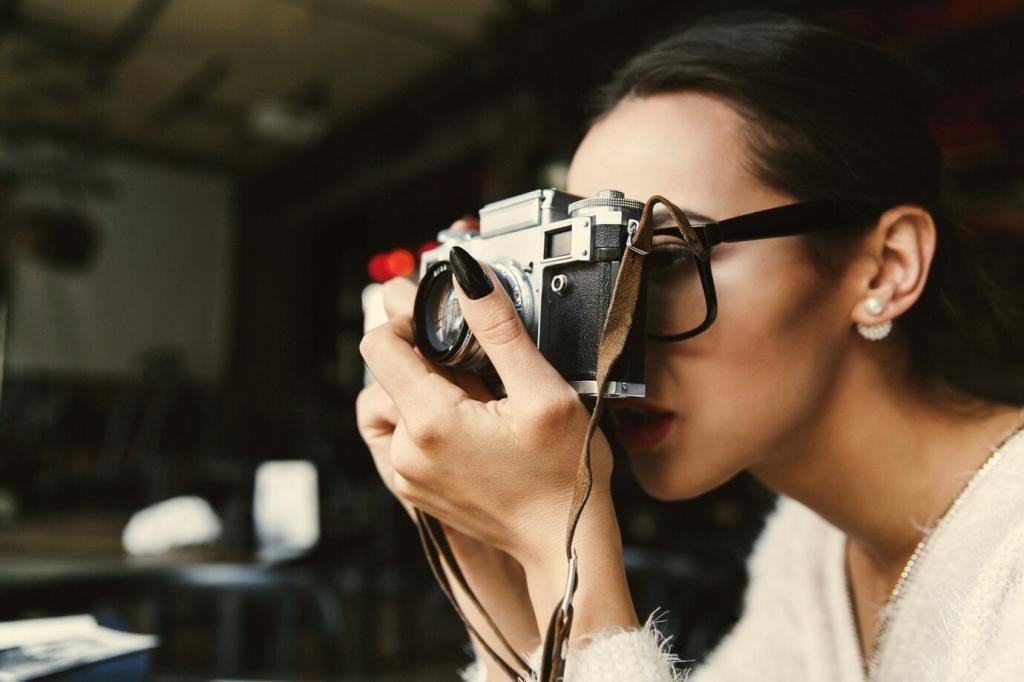
Open your lens to a wide aperture and let backgrounds dissolve into soft color fields. The subject pops forward, carrying the emotional weight of the frame. Try portraits at dusk and share your favorite aperture discoveries in the comments.

Foreground Framing for Narrative Depth

Place subtle elements between lens and subject to create layered depth. Leaves, fabric, or a window edge can blur into poetic shapes, hinting at context. Post your experiments and tell us what foregrounds best amplify your story.

Context Without Distraction

Use a moderately shallow depth of field to keep background recognizable, yet gentle. Landmarks remain readable while your subject leads the scene. Which balance works for you on busy streets? Share a frame and your focusing distance.

Optics That Shape Emotion

Longer lenses compress space and thin depth of field, while getting closer with any lens intensifies blur. Test portraits at different distances. Compare feelings created and invite readers to guess your subject-to-background spacing.

Optics That Shape Emotion

Larger sensors make shallow depth of field easier at equivalent framing, yet composition and distance still rule. Share shots from phone and camera side-by-side, then discuss which variables most changed the look.
Freelensing, Safely

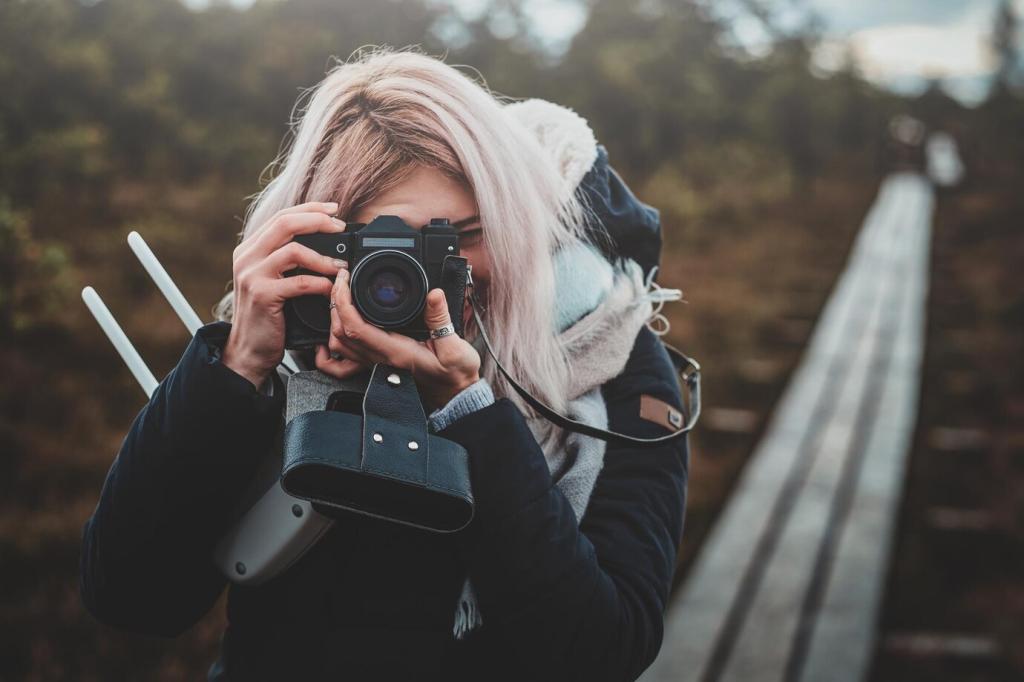
Detach and tilt your lens gently while keeping the mount safe to introduce dreamy selective focus. Practice indoors to understand light leaks. Share a behind-the-scenes setup and your best dreamy portrait for feedback.

Tilt-Shift for Sculpted Planes

Tilt-shift lenses let you angle the focus plane, guiding sharpness across unusual paths. Use tilt to emphasize diagonals in architecture. Post before-and-after frames and explain how tilt changed the narrative line.

Close-Up Filters and Extension Tubes

Affordable accessories shorten focusing distance, thinning depth of field dramatically. Try them on everyday objects for abstract art. Invite readers to guess subjects from extreme close-ups and share settings that worked.

Designing With Bokeh

Cut simple paper masks and place them over your lens to transform highlights into hearts, stars, or initials. Photograph string lights and celebrate custom flair. Encourage readers to post their templates for others to try.

Designing With Bokeh

Wet streets, fairy lights, and reflective metal create glittering bokeh fields. Shoot shortly after rain for magical sparkle. Ask readers to share their favorite weather conditions for luminous backgrounds and why they resonate.

Depth of Field in Motion

Plan focus shifts that reveal information, not just style. Mark distances with tape, rehearse timing, and let narrative cues drive the pull. Share a short clip demonstrating a reveal and ask for pacing feedback.

Depth of Field in Motion

Shallow depth of field magnifies micro-movements. Use monopods, gimbals, or controlled breathing to steady focus. Post your stabilization setup and settings so others can replicate your smooth, expressive focus transitions.

Low Light, High Impact

Use lamps, signs, and candles to paint the background with character. Slight subject separation creates halos of warmth. Share a cozy indoor portrait and discuss how far your subject sat from the nearest light source.

Practice Plans and Aha Moments

Four Apertures, One Scene

Photograph the same subject at four apertures and study emotional shifts. Which version tells the truest story? Share your grid, metadata, and reflections so others can learn from your discoveries.

Foreground Stories on the Street

Frame strangers through doorways, railings, or bicycles to add depth and mystery. Respect privacy and context. Post your most layered scene and ask readers where their eyes landed first and why.

Macro Worlds at Home

Explore a teabag, a leaf, or a circuit board with extension tubes. Notice how depth collapses into dreamy planes. Share before-and-after shots and discuss how tiny distance changes remade your composition.
Tempesttarot
Privacy Overview

This website uses cookies so that we can provide you with the best user experience possible. Cookie information is stored in your browser and performs functions such as recognising you when you return to our website and helping our team to understand which sections of the website you find most interesting and useful.